Coastal Uprising
Co-op survival shooter · macOS · 2026
Why build another game? To find where the craft meets the code.
My first game, Cybercab Tycoon, was a fleet-management sim. For the second, I chose the hardest version of the problem: a 3D co-op shooter with motion-capture characters, cinematic lighting, and online play.
I wanted to see whether AI-assisted development could hold a cinematographer's standard. Every lighting choice I learned on set had to become something the engine could reproduce, and every system needed tests so I could keep changing it without breaking it. Coastal Uprising is the answer, and this page shows how I built it.
64,500 lines of C#
210 source files, from game rules to trailer tools.
201 automated tests
Rules, waves, network, and the look of every character, measured each frame.
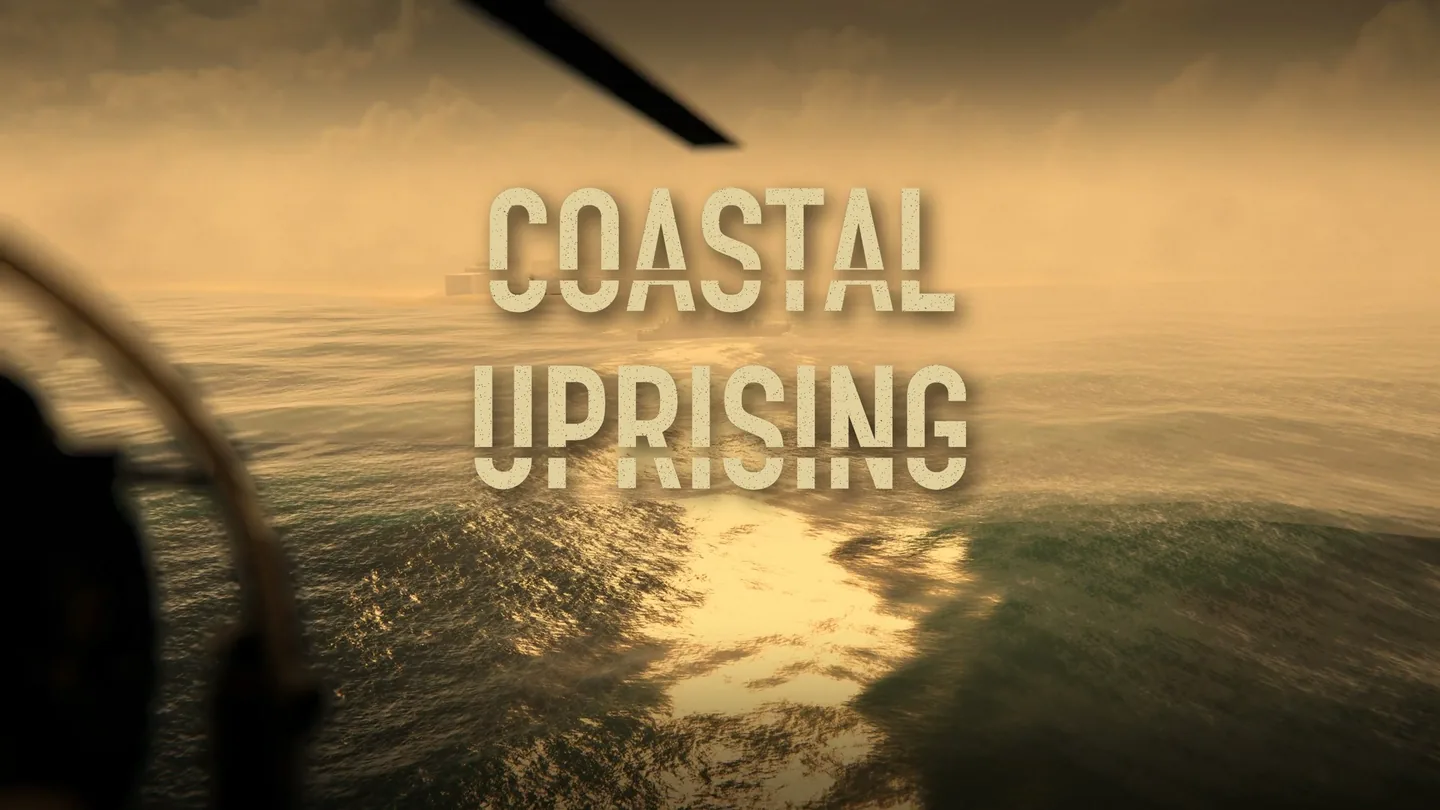
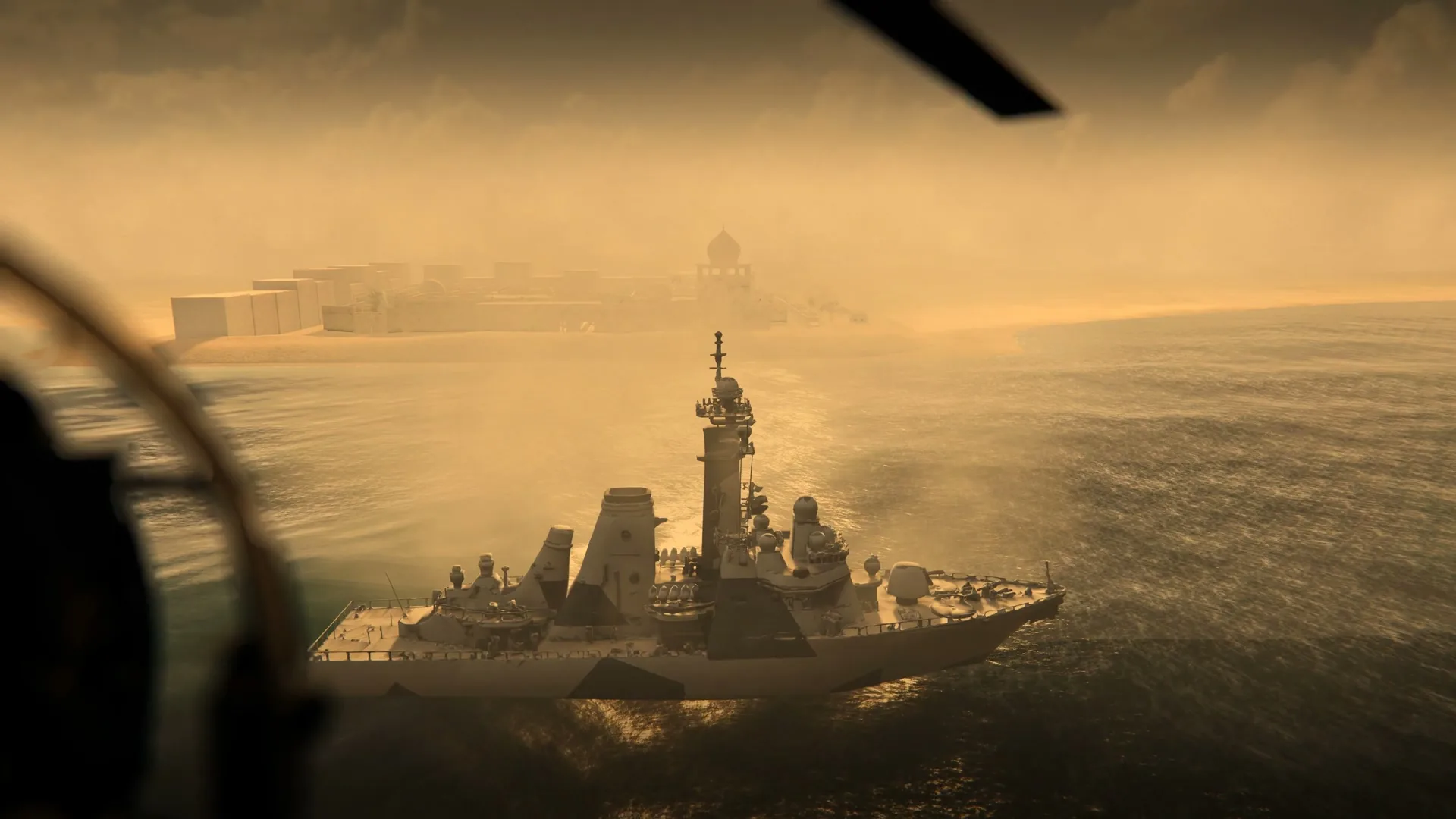
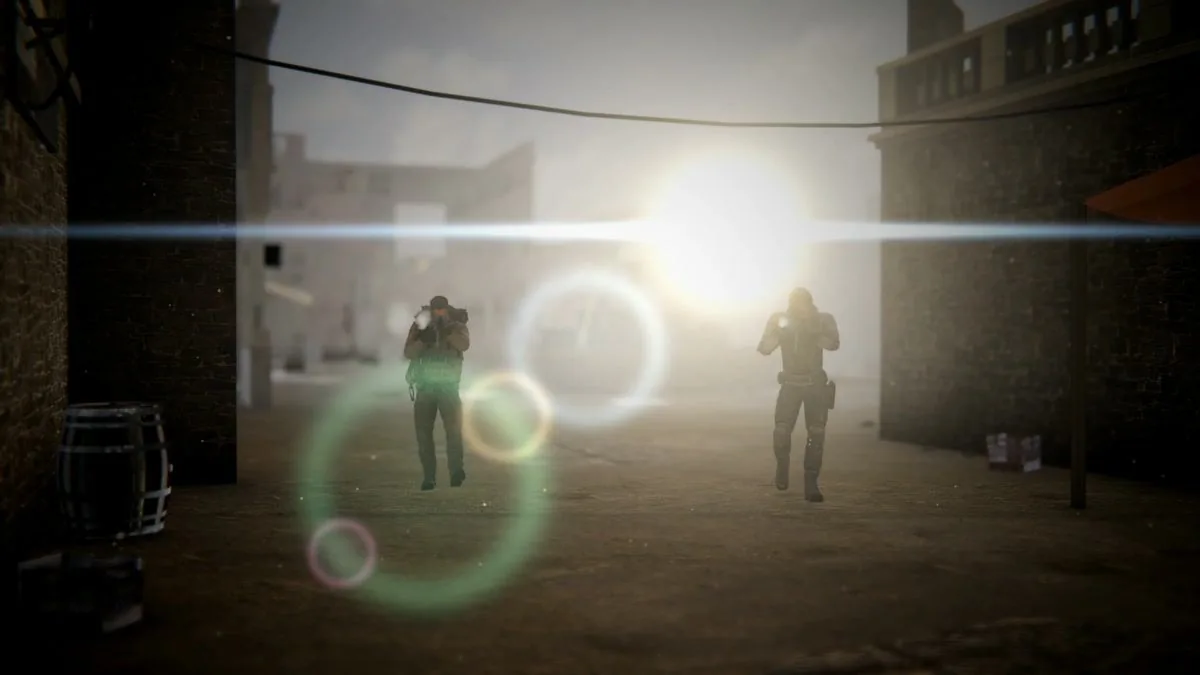
Trailer
78 seconds, shot like a commercial.
I lit and framed every shot the way I would on set. The cut runs 77.95 seconds in 4K at 60 fps.
The game
A town to hold, a store to spend in, and the next wave coming.
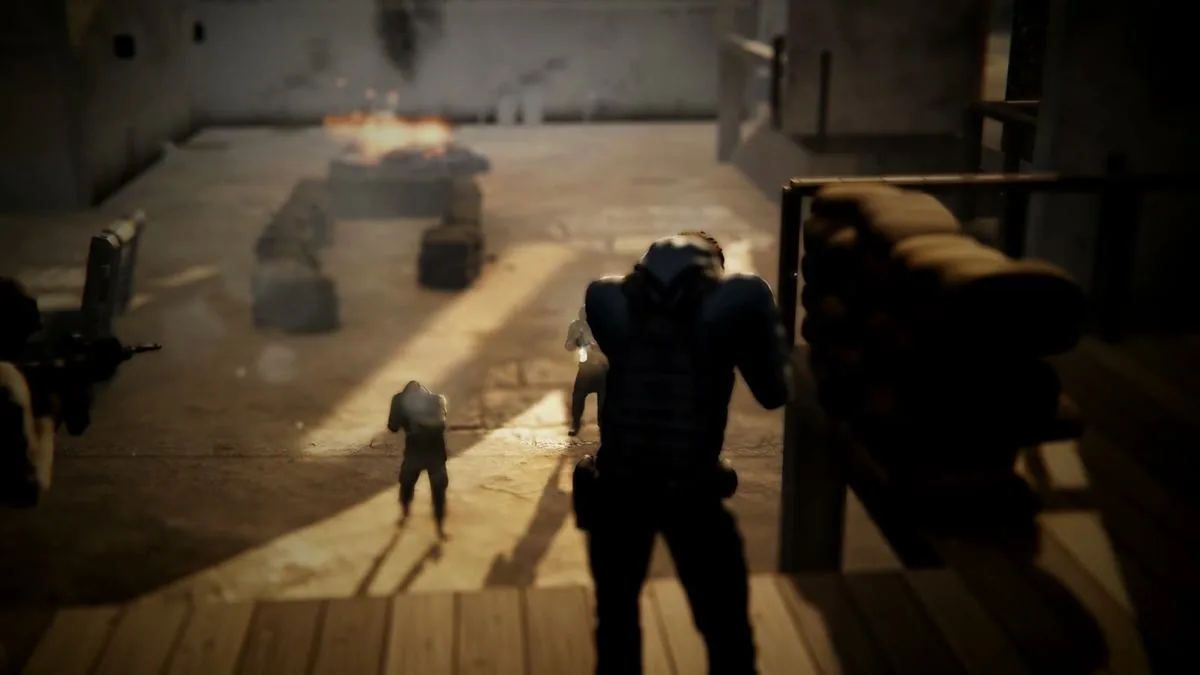
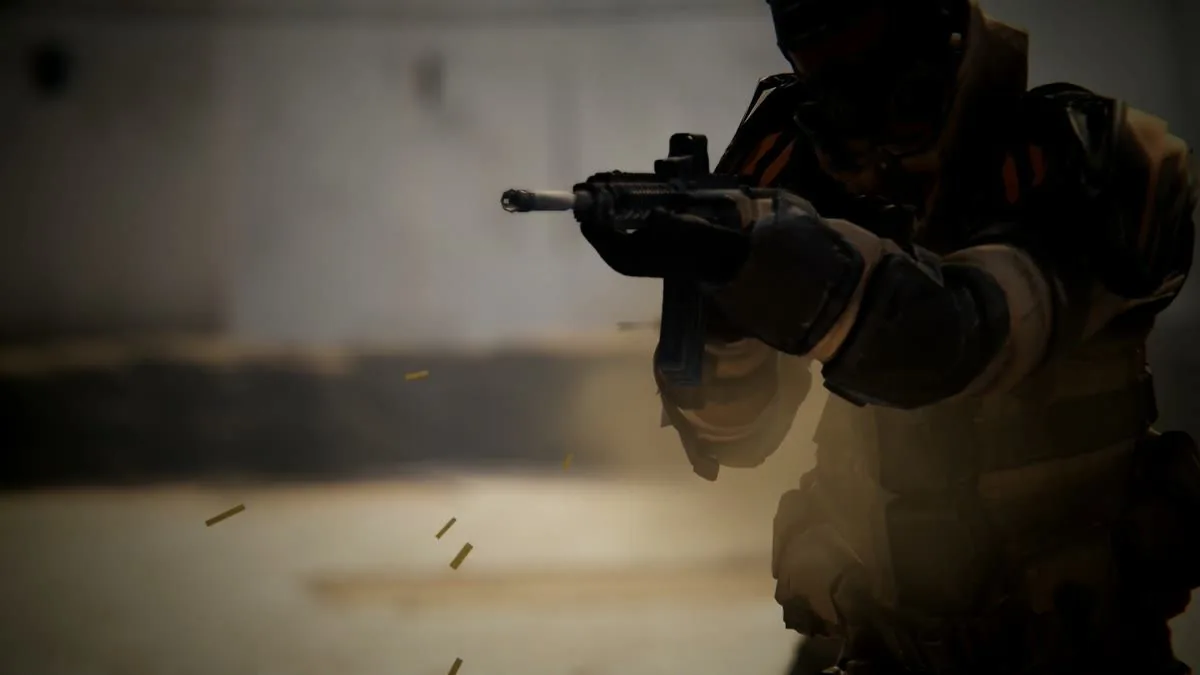
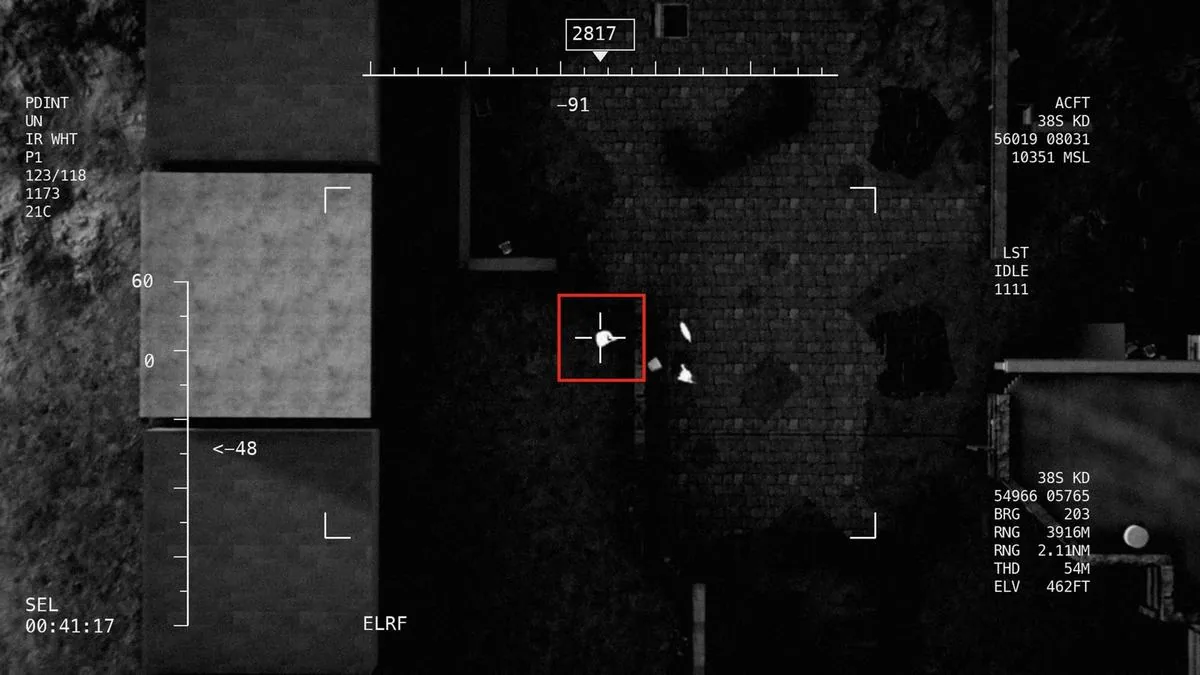
Each run starts with a sidearm, 50 armor, two flash grenades, and 500 credits. Every enemy you drop pays out. Between waves the armory opens, and new gear unlocks as the waves climb: 32 items, from a shotgun on wave 2 to sentry guns, mortar strikes, and an anti-materiel rifle on wave 25.
The waves grow from eight riflemen to mixed squads with rushers, C4 dogs, bombers, chemical troopers, and armored Bastions. Helicopters arrive on wave 8. On wave 22, a Mech Titan drops in, and the wave ends only when it falls.
Play solo, split screen on one Mac, or online with a join code. Downed players can be revived, and every player readies up before the next wave.
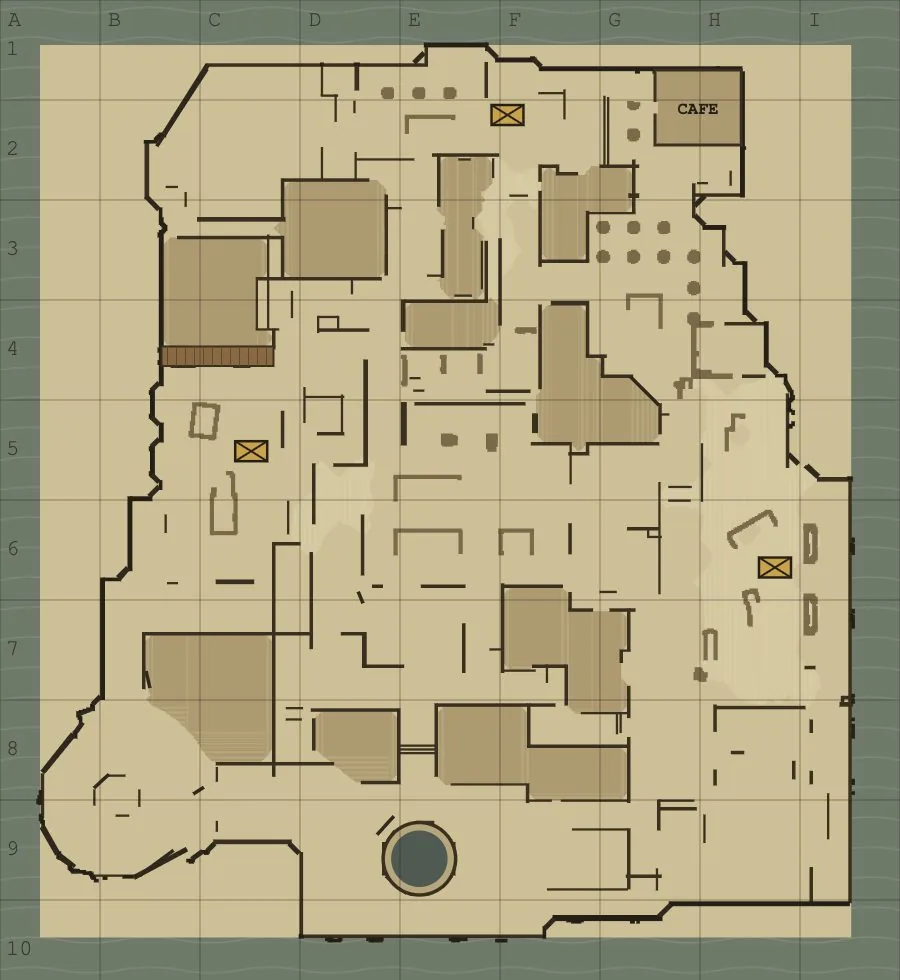
Map
Seatown.
Process
Every frame reviewed. Every system tested.
I hold a shot and a system to the same standard: decide how it has to look and feel, then prove that it works. Claude Code wrote most of the code. I set the look and the rules, and a change was done only when it passed its tests and held up on screen.
The two sides feed each other. A rim light gets judged by eye, then locked in with numbers so it stays put. A character's grip on a rifle gets a test that measures the hands every frame, and then I review the result the way I would review dailies.
Two computers shared the work. A Mac ran the main session and the builds. A Windows PC ran a second session for character rebuilds and GPU renders, linked to the first, with one shared progress file between them.
Tech stack
What it's built with.
The game is a Unity 6 project for Apple silicon Macs. Game rules live in plain C# with no engine types, so they test fast and stay the same for couch and online players. Everything a player sees sits in its own layer on top.
Engine and code
- Engine
- Unity 6 (
6000.3.24f1) - Rendering
- Universal Render Pipeline 17.3, baked lightmaps, custom lens and bokeh passes for the trailer
- Language
- C#, in eight assemblies: Domain, Data, Platform, Runtime, Network, Presentation, Editor, and Tests
- AI navigation
- Unity AI Navigation 2.0 (NavMesh) for enemies, dogs, and the Delta squad
- Input
- Unity Input System 1.20: keyboard, mouse, and gamepad
- Model import
- glTFast 6.20 for GLB assets
Online co-op
- Networking
- Netcode for GameObjects 2.13 on Unity Transport 2.7
- Sessions
- Unity Multiplayer Services 2.4: host a game and share a join code
- Updates
- Remote Config tells players when a new version is out
Characters and art
- Animation
- MoCap Online and Mixamo clips, imported as humanoid animation and retargeted
- 3D
- Blender for rigs, props, and a Cycles-rendered trailer shot on the GPU
- Textures
- Scanned PBR materials, plus textures and flipbooks generated by Python scripts
- Map tools
- Python with NumPy and SciPy runs thousands of routes through the town to find the corners that slow a running player
Workflow and delivery
- AI development
- Claude Code
- Testing
- Unity Test Framework: EditMode and PlayMode suites, run headless from the Unity CLI
- Source
- Git with LFS, a private GitHub repository, and a pre-push hook that ships each build
- Distribution
- Signed Mac builds copied to a NAS and Google Drive, with an offline install guide in every zip
- Trailer
- Frames recorded in Unity, graded and cut with Python and FFmpeg